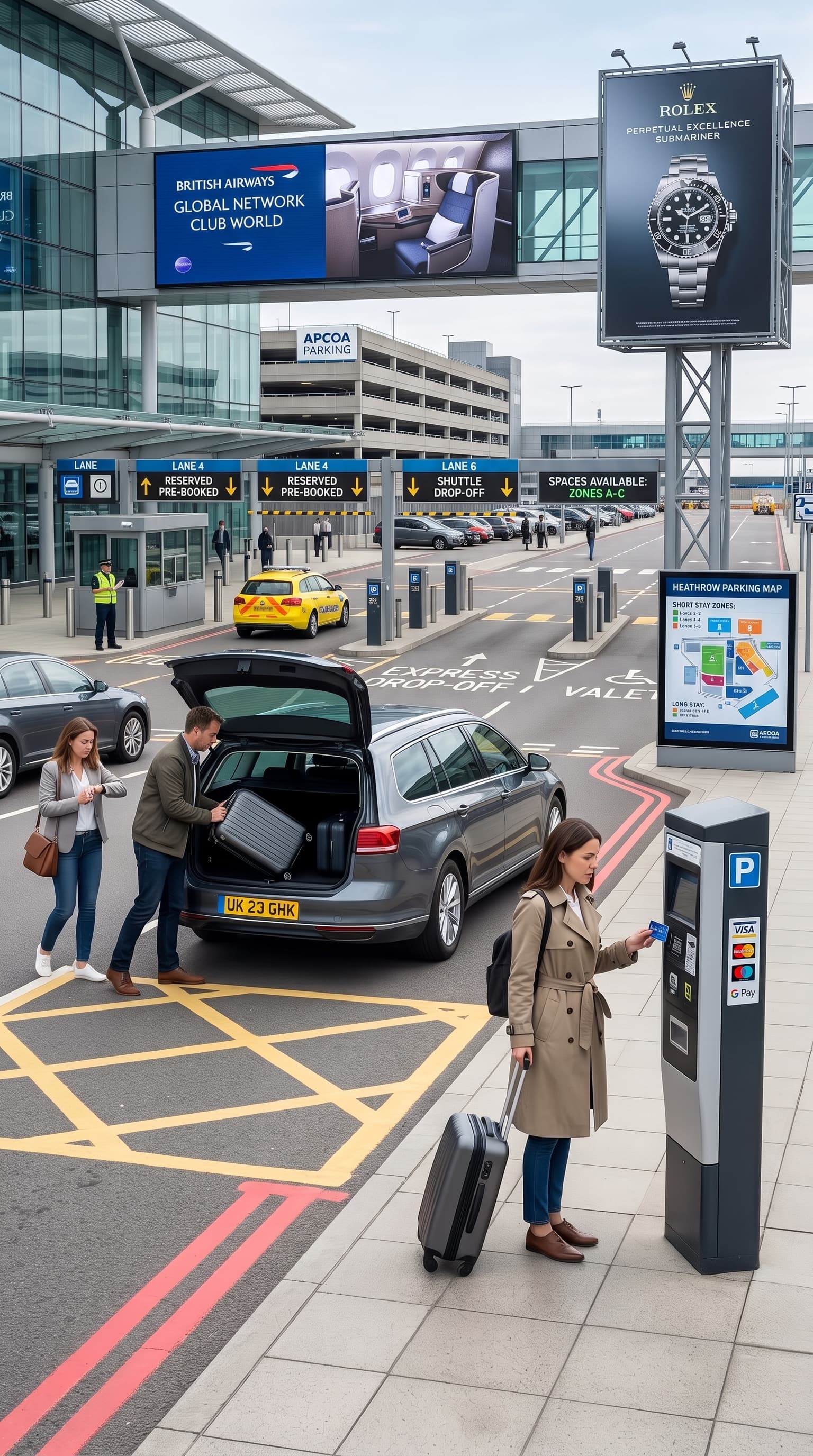
Airport Parking & Drop-Off Charges: How to Avoid £80–£100 Fines in 2026
Airport drop-off zones have quietly become one of the most expensive stretches of tarmac in the UK. What was once a simple wave at the kerb has transformed into a tightly monitored, ANPR-tracked transaction with penalties that can dwarf the original fee. For anyone planning a trip to the airport in 2026, understanding how these charges work is no longer optional. It is essential.
In 2026, the average cost of pulling up outside a terminal has climbed to £7.66, up from £5.51 just a year earlier. More troubling than the charge itself is what happens when the system doesn't register your payment. Penalty Charge Notices now routinely hit £100, often arriving weeks after a forgotten five-minute stop. The gap between what drivers believe they owe and what the system records as unpaid has become a financial trap for thousands of motorists every month.
This guide breaks down the current landscape, explains why payments fail even when you think you've paid, and shows how a few minutes of planning can keep your money where it belongs. Whether you're dropping off a partner for a business trip or collecting a family member after a long-haul flight, the information below will help you navigate the system without triggering unnecessary penalties.
The Real Cost of "Kiss and Fly" in 2026
The numbers tell a stark story. London Gatwick now charges £10 for ten minutes at the terminal, a 100% increase over five years. Bristol sits at £8.50, while Heathrow and Luton both demand £7. Even traditionally cheaper regional airports have joined the trend, with Leeds Bradford and Southend now matching London prices.
The financial exposure doesn't stop at the drop-off fee. Miss the payment deadline, and the penalty structure kicks in. Heathrow issues £80 fines, reduced to £40 if paid within 14 days, while most other major airports push £100 penalties with early payment discounts to £60. For a £7 charge, that's a potential loss of £93 for a single oversight. That represents a 1,328% markup on the original fee, a ratio that would be considered extortionate in almost any other consumer context.
What makes this particularly frustrating is that many drivers aren't intentionally avoiding payment. The systems have become labyrinthine, with rules that vary by airport and penalties triggered by technicalities rather than genuine non-compliance. A driver who pays promptly but in the wrong sequence can still receive a fine. A driver who overstays by ninety seconds can be penalised as if they parked for an hour.
The broader trend is unmistakable. Airports have discovered that drop-off zones are a reliable revenue stream, and the enforcement mechanisms have been tightened accordingly. For travellers, the lesson is clear: the cost of convenience has risen sharply, and the margin for error has narrowed to almost nothing.
Why Payments Fail (Even When You Think You've Paid)
A recent case at East Midlands Airport illustrates the problem perfectly. A driver paid the £5 drop-off fee via the airport's app on two separate occasions, once for a drop-off and once for a pickup. He received two £100 fines anyway.
The reason? He completed the payment while his car was still inside the drop-off zone. The app's terms require vehicles to have exited the zone before payment is processed. The money left his account, but the system recorded both visits as unpaid. The driver had done everything a reasonable person would consider correct. He had paid the required fee. He had used the official app. He had kept records. And yet, he was fined £200 for two transactions that cost him £10.
This isn't an isolated glitch. It's a structural flaw in how ANPR-based payment systems operate. The technology tracks entry and exit via number plate recognition, but payment platforms often operate on a separate logic. When those two systems don't align, drivers pay the price, literally.
Similar issues arise at airports with strict time limits. Manchester enforces a 10-minute maximum stay in its Drop Off Zone, with a £100 Parking Charge for overstays. Heathrow's parking window is equally tight. A few extra minutes saying goodbye, helping with luggage, or waiting for a passenger who is running late can transform a £7 stop into a three-figure penalty.
There is also the problem of payment windows. Most airports allow payment until midnight the following day, but that deadline is absolute. There is no grace period for postal delays, forgotten logins, or the assumption that the system will simply charge you automatically. Drivers who rely on memory rather than a deliberate process are the most vulnerable.
The lesson here is not that airports are acting in bad faith. It is that the systems are designed for efficiency and revenue protection, not for human error. Drivers who understand this can take steps to protect themselves. Drivers who don't will continue to fund airport car parks through penalties they never expected to pay.
Free and Cheaper Alternatives Most Drivers Don't Know About
The most effective way to avoid fines isn't better payment discipline. It's bypassing the terminal drop-off zones entirely. Most major UK airports operate free or significantly cheaper alternatives that remain poorly publicised. The information exists, but it is rarely front and centre when you search for airport drop-off options.
Heathrow airport offers a free drop-off at its Park & Ride car parks, with 29 minutes of complimentary parking and a shuttle transfer to the terminal. Gatwick's Long Stay car parks provide two hours free, with shuttle buses running to both terminals. Manchester's Jetparks 1 offers a similar setup with a 5-6 minute transfer.
These options require a slightly different goodbye routine, unloading at a car park rather than the terminal kerb, but the savings are substantial. A family dropping off two passengers at Gatwick could avoid £20 in round-trip charges while gaining the flexibility to help with luggage without watching the clock. Over the course of a year, those savings add up quickly.
Some airports go further. Birmingham offers a free drop-off area just a five to ten-minute walk from the terminal, alongside its £7 premium set-down zone. Liverpool's Drop-off 2 provides 20 minutes free, situated approximately ten minutes on foot from the terminal.
The trade-off is time and convenience. For travellers with heavy luggage, mobility challenges, or tight schedules, the paid zone may still make sense. But for the majority of drop-offs, the free alternatives represent a straightforward way to eliminate both charges and fine risk. The key is knowing they exist and planning your journey around them rather than defaulting to the terminal forecourt.
The Blue Badge Exemption (And Why It's Easier Than You Think)
One exemption that many drivers overlook is the Blue Badge waiver. At most major airports including Heathrow, Gatwick, Manchester, and Edinburgh, the terminal drop-off fee is waived when the passenger holds a valid Blue Badge.
The process varies slightly by airport. At Manchester airport , drivers must contact a traffic marshal and show the Blue Badge as evidence. Other airports may require pre-registration or have dedicated assistance lanes.
This exemption applies to the passenger's badge, not the vehicle. A driver without a Blue Badge can still drop off a badge-holding passenger free of charge, provided they follow the airport's specific verification process. It's worth checking the individual airport's policy before travel, as procedures differ and some require advance notice.
For families and carers, this exemption can save both money and stress. The ability to pull up closer to the terminal, assist with mobility equipment, and avoid the pressure of a ticking clock makes a genuine difference to the travel experience. It is one of the few areas where the system actively accommodates rather than penalises.
How to Secure Your Payment (And Your Evidence)
For those who do use paid drop-off zones, the margin for error is slim. The payment window at most airports extends to midnight the following day, but that deadline is absolute. There's no grace period for postal delays or forgotten logins.
AutoPay offers the most reliable protection. Heathrow, Gatwick, and several other airports allow drivers to pre-register vehicles and payment details, with charges applied automatically upon entry. For frequent airport users, or anyone who values peace of mind, this removes the human error factor entirely. You drive in, you drive out, and the system handles the rest.
For one-off payments, the rule is simple: pay after you've left the zone, not while you're still in it. Screenshot the confirmation, note the reference number, and keep it until the charge appears on your statement. In the East Midlands case, the driver's payment records ultimately helped him appeal successfully. Without that evidence, disputing a penalty becomes significantly harder.
It also helps to familiarise yourself with the specific rules of the airport you're using. Some require payment within 24 hours. Others have different deadlines for drop-offs versus pickups. A few operate entirely cashless systems. The more you know before you arrive, the less likely you are to fall foul of a technicality.
Where Airport Parking Fits Into the Equation
Drop-off charges represent just one line item in the broader cost of getting to the airport. For longer trips, the calculus shifts entirely.
A week's holiday parking at a reputable Meet & Greet airport parking or Park & Ride service often costs less than the cumulative expense of multiple terminal drop-offs and pickups. More importantly, it eliminates the anxiety of time limits, payment deadlines, and penalty notices altogether.
Consider a family of four flying out for a fortnight. Two drop-offs and two pickups at a major airport could easily total £40 or more, with each transaction carrying its own risk of penalty. Compare that to a single booking at a Park & Ride facility, where the car stays put and the only interaction is a shuttle bus. The financial case is compelling, and the peace of mind is difficult to overstate.
Compare My Airport Parking operates as a UK-based independent comparison service for Meet & Greet and Park & Ride options. The platform consolidates parking providers across major airports, allowing travellers to weigh cost against convenience before committing. For drivers who've experienced the stress of a missed payment window or an unexpected PCN, the appeal of leaving the car in trained hands, with photographed condition reports and mileage records, becomes considerably more compelling than gambling on a kerbside stop.
The platform is particularly useful for travellers who are unfamiliar with a specific airport. Rather than guessing which car park is closest, which provider has the best reputation, or which option offers the most competitive rate, users can compare side by side and make an informed decision. It is a straightforward way to convert a stressful element of travel into a manageable one.
The £80 Question: Is It Worth the Convenience?
The maths is uncomfortable but straightforward. A paid terminal drop-off costs between £5 and £10, depending on airport and duration. The penalty for getting it wrong ranges from £40 at Heathrow with early payment to £100 at most other airports at full charge.
The probability of a penalty isn't negligible. System glitches, payment timing rules, and human error contribute to thousands of PCNs annually. When the downside risk is ten times the original cost, the rational approach is either meticulous compliance or complete avoidance.
For the occasional airport run, the free alternatives are almost always the smarter choice. A ten-minute walk or a short shuttle ride costs nothing and carries zero fine exposure. For those who genuinely need terminal access, whether for mobility reasons or time pressure, AutoPay and payment evidence become non-negotiable.
There is also a broader question about how we value our time. Saving fifteen minutes by using the premium drop-off zone may feel worthwhile in the moment, but when that fifteen minutes carries a risk of a £100 penalty, the calculation changes. Most people would not pay £100 for a quarter of an hour of convenience. Yet that is precisely the gamble being taken every time a driver uses a terminal drop-off without a backup plan.
Planning Ahead: A Simple Checklist for 2026
Before your next airport run, run through the following steps. First, check whether your airport offers a free drop-off alternative and how much time it adds to the journey. Second, determine whether the passenger qualifies for a Blue Badge exemption and what documentation is required. Third, if you must use a paid zone, set a reminder to pay after you've left, and keep the confirmation somewhere safe. Fourth, consider whether a longer parking booking might be more cost-effective than multiple drop-offs and pickups.
These four steps take less than ten minutes to complete and can save both money and considerable stress. The airports have designed their systems to operate efficiently at scale. Drivers who approach the process with the same level of preparation will find it far easier to avoid the penalties that catch others out.
Final Thoughts
In 2026, the airport drop-off has become a microcosm of modern travel friction: a service that was once free, now monetised and enforced through automated systems that leave little room for human error. The drivers who navigate it best aren't those who pay fastest. They're the ones who understand the rules before they arrive.
The information is out there. The free alternatives exist. The exemptions are available for those who qualify. What separates a smooth airport run from an expensive one is preparation. Know your airport, know your options, and know the payment rules. Do that, and you can say your goodbyes without watching the clock or dreading the postman.
Related Articles
Manchester Airport Parking 2026: JetParks, Meet & Greet & More
Compare Manchester Airport parking prices for JetParks, Mid Stay, Multi Storey, Drop & Go and Meet & Greet in 2026, then book with Compare My Airport Parking.
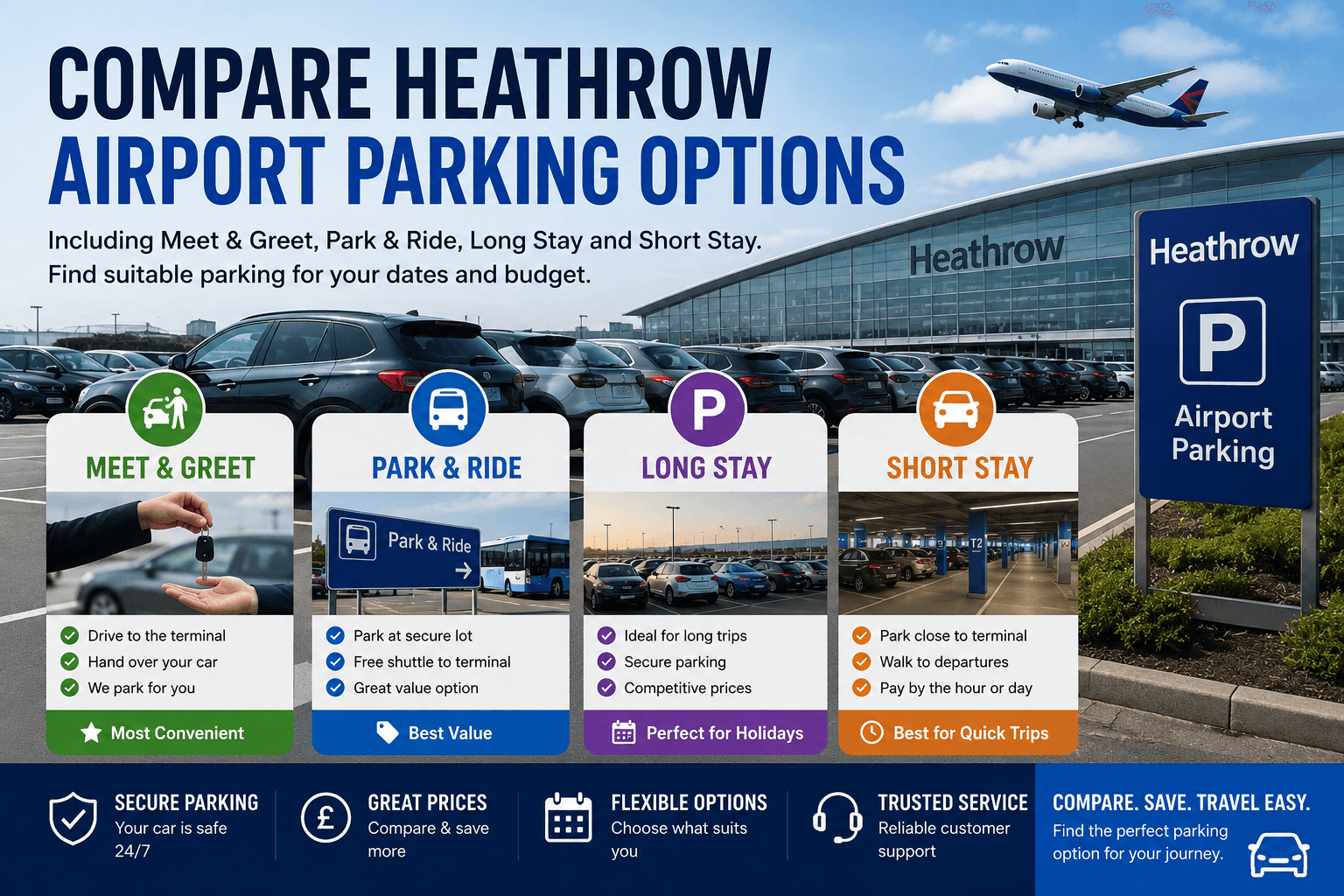
Heathrow Airport Parking: Complete Guide to Prices, Meet & Greet, Park & Ride and Long Stay
Compare Heathrow airport parking options including Meet & Greet, Park & Ride, long stay and short stay. Find suitable parking for your dates and budget.
Airport Parking in the UK: The Complete Guide to Comparing Prices, Parking Types and Airports
Compare airport parking in the UK with our complete guide. Explore parking types, prices, major UK airports and tips for finding the right parking for your trip.